Volume II · The Master Guide Series

The Master Guide to Annuities

The income architecture for the lifestyle you actually want. A serious, visual, plain language guide to annuities, lifetime income, Hybrid Retirement, and generational continuity.
An annuity does not buy a retirement date. It buys the lifestyle of someone who no longer needs the date.
102original theories
9conceptual sections
IIseries volume
2026first edition
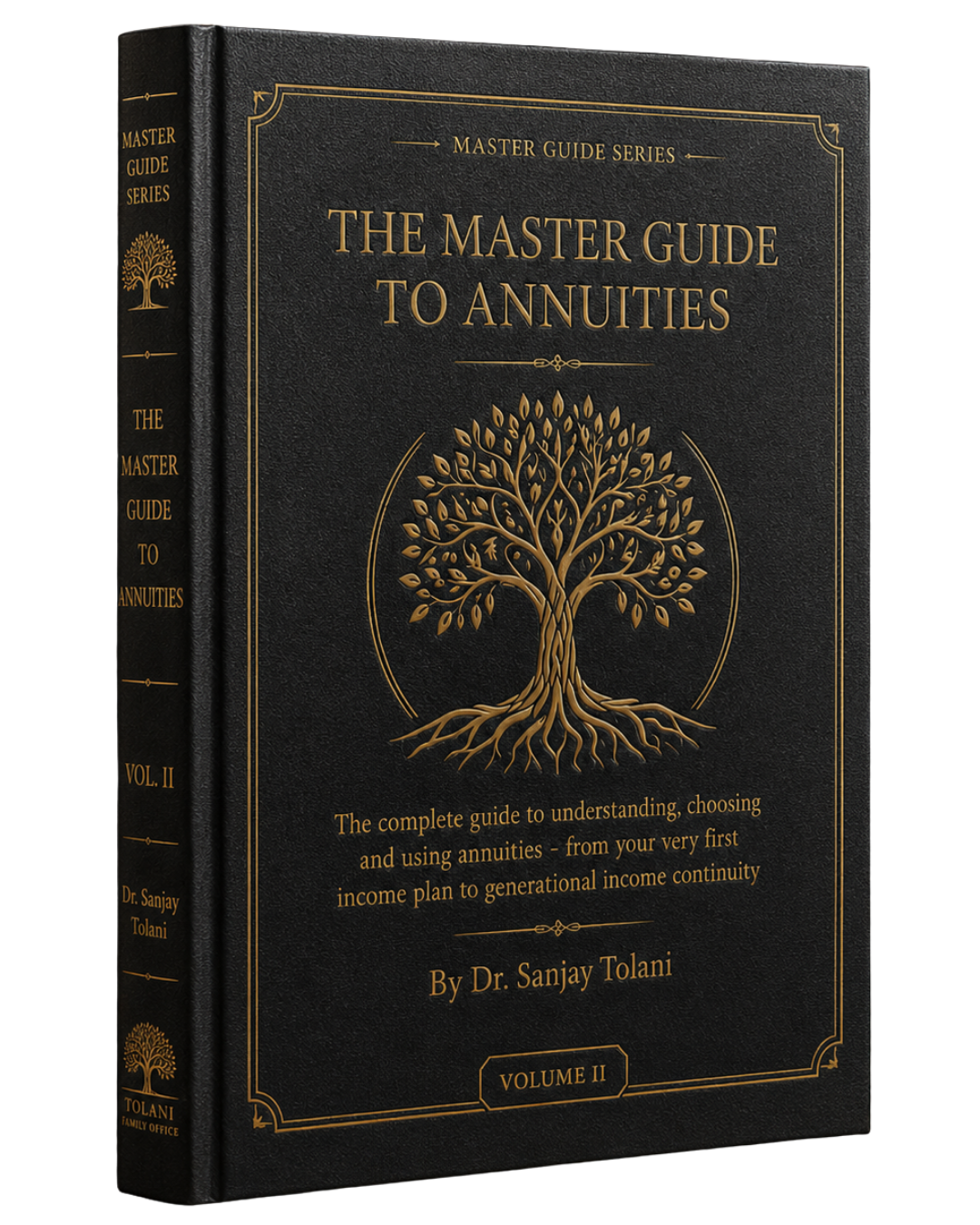
The Master Guide to Annuities premium cover hero image
Four promises

A complete income architecture.

The book is written for two readers at the same table: the Income Buyer who needs income for their own continued life, and the Generational Steward who wants a structure that can outlast them.

01

Understand annuities completely

Learn the real mechanics, not the brochure version. History, mathematics, products, limitations, and use cases in plain language.

02

Never be sold one badly again

Separate architecture from product selection, ask better questions, and recognise when a recommendation does not fit your configuration.

03

See annuities as wealth instruments

Move beyond retirement product thinking into family office applications, wrappers, trustee structures, and generational income design.

04

Use income to buy a lifestyle

Hybrid Retirement begins when work becomes optional. The book shows what kind of life the income engine is actually buying.

Inside the book

What The Master Guide to Annuities covers.

A serious map of annuities as income architecture, moving from the human question to history, mathematics, product families, family office structures, and the lifestyle that lifetime income makes possible.

The Income Buyer

For the person asking how their own continued life will be funded, how work can become optional, and how income can be made less dependent on market timing.

The Generational Steward

For the family member, advisor, trustee, or principal designing structures that can outlast one person and support multiple generations.

Part Zero

The Foundation

Plain language answers to why annuities exist, how they work, when they appear in real lives, and what buyers should watch for.

Part I

The Historical Lineage

Roman annua, tontines, waqf, family estates, lineage trusts, and the two thousand year continuity of lifetime income arrangements.

Part II

The Mathematics

Mortality credits, longevity risk, sequence risk, decumulation, and the mechanics that make income pooling different from portfolio withdrawal.

Part III

The Product Families

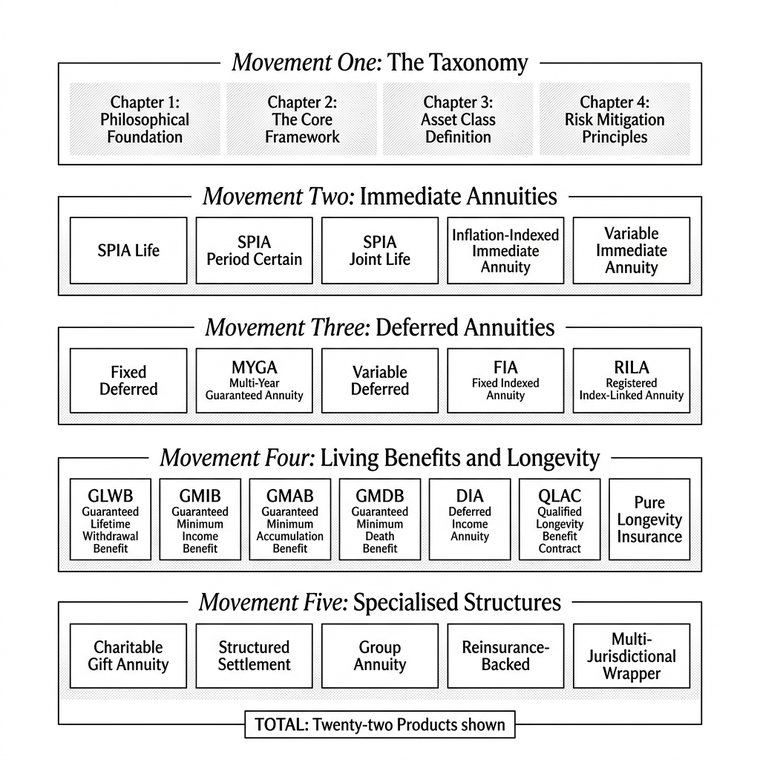
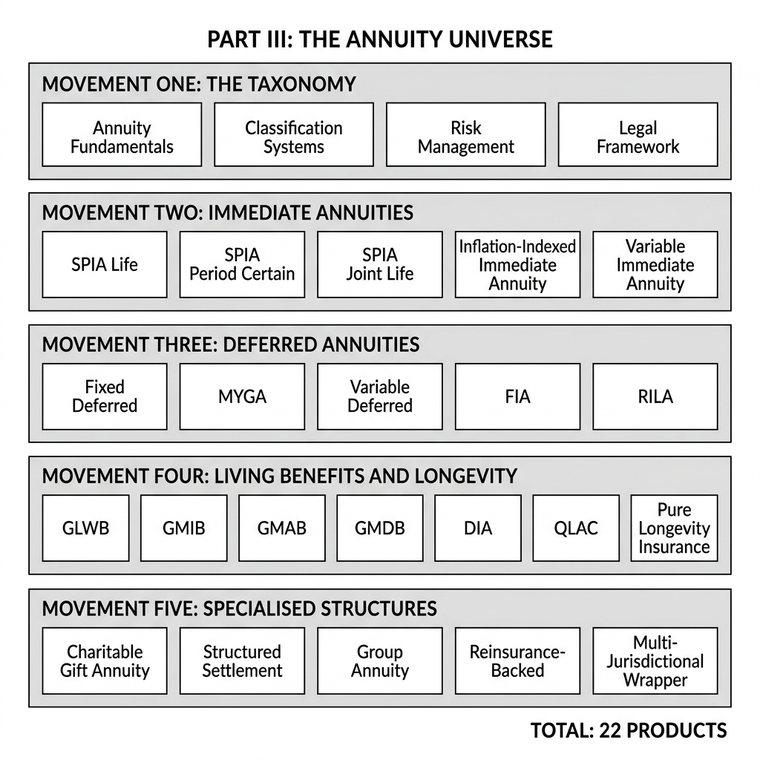
Immediate, deferred, variable, indexed, guaranteed, rider based, joint life, period certain, refund, and carrier quality structures.

Part IV

The Tolani Method

Configuration analysis, architectural design, institutional selection, legal establishment, contract placement, and long term stewardship.

Part V

The Family Cases

Four family situations that show how income architecture changes when the household, business, jurisdiction, and legacy objectives change.

Part VI

Hybrid Retirement

Retirement as a lifestyle, not an age. Work becomes optional when essential income is contractually secured.

Part VII

Specialised Configurations

Family office, corporate owned, charitable, cross border, Sharia compliant, single woman, widowhood, and closely held business configurations.

The Architectural Reframing   •   The Architectural Primitive   •   The Income-First Architectural Commitment   •   The Lifetime Income Primacy   •   The Architectural Inversion   •   The Four-Layer Integrated Lifetime Income Architecture   •   The Income Foundation Layer   •   The Growth Participation Layer   •   The Longevity Tail Protection Layer   •   The Architectural Reframing   •   The Architectural Primitive   •   The Income-First Architectural Commitment   •   The Lifetime Income Primacy   •   The Architectural Inversion   •   The Four-Layer Integrated Lifetime Income Architecture   •   The Income Foundation Layer   •   The Growth Participation Layer   •   The Longevity Tail Protection Layer   •   The Architectural Reframing   •   The Architectural Primitive   •   The Income-First Architectural Commitment   •   The Lifetime Income Primacy   •   The Architectural Inversion   •   The Four-Layer Integrated Lifetime Income Architecture   •   The Income Foundation Layer   •   The Growth Participation Layer   •   The Longevity Tail Protection Layer   •   The Architectural Reframing   •   The Architectural Primitive   •   The Income-First Architectural Commitment   •   The Lifetime Income Primacy   •   The Architectural Inversion   •   The Four-Layer Integrated Lifetime Income Architecture   •   The Income Foundation Layer   •   The Growth Participation Layer   •   The Longevity Tail Protection Layer   •   The Architectural Reframing   •   The Architectural Primitive   •   The Income-First Architectural Commitment   •   The Lifetime Income Primacy   •   The Architectural Inversion   •   The Four-Layer Integrated Lifetime Income Architecture   •   The Income Foundation Layer   •   The Growth Participation Layer   •   The Longevity Tail Protection Layer   •   The Architectural Reframing   •   The Architectural Primitive   •   The Income-First Architectural Commitment   •   The Lifetime Income Primacy   •   The Architectural Inversion   •   The Four-Layer Integrated Lifetime Income Architecture   •   The Income Foundation Layer   •   The Growth Participation Layer   •   The Longevity Tail Protection Layer   •   The Architectural Reframing   •   The Architectural Primitive   •   The Income-First Architectural Commitment   •   The Lifetime Income Primacy   •   The Architectural Inversion   •   The Four-Layer Integrated Lifetime Income Architecture   •   The Income Foundation Layer   •   The Growth Participation Layer   •   The Longevity Tail Protection Layer   •   The Architectural Reframing   •   The Architectural Primitive   •   The Income-First Architectural Commitment   •   The Lifetime Income Primacy   •   The Architectural Inversion   •   The Four-Layer Integrated Lifetime Income Architecture   •   The Income Foundation Layer   •   The Growth Participation Layer   •   The Longevity Tail Protection Layer   •   The Architectural Reframing   •   The Architectural Primitive   •   The Income-First Architectural Commitment   •   The Lifetime Income Primacy   •   The Architectural Inversion   •   The Four-Layer Integrated Lifetime Income Architecture   •   The Income Foundation Layer   •   The Growth Participation Layer   •   The Longevity Tail Protection Layer   •  
The intellectual architecture
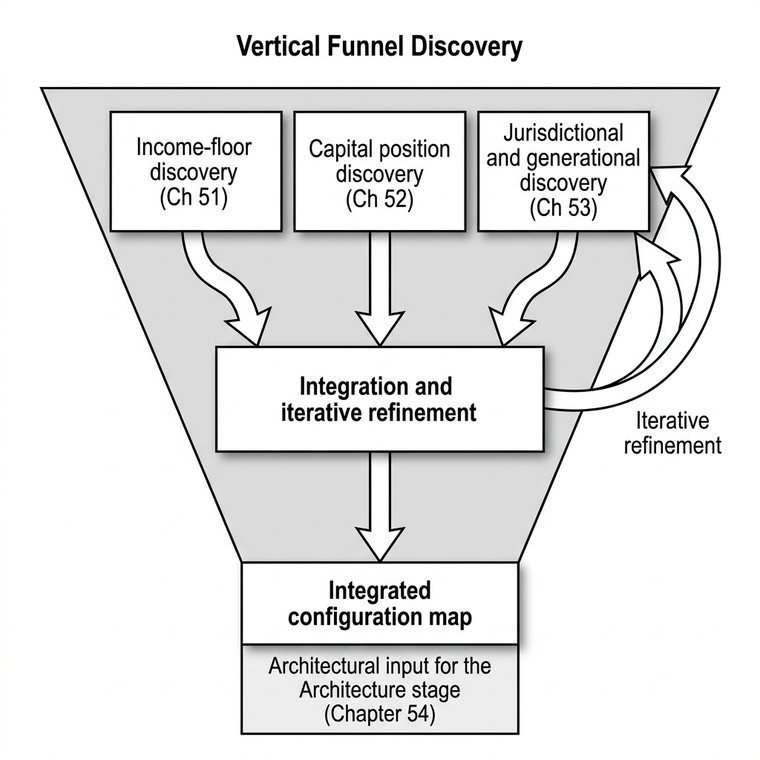
0
Original Theories

Every chapter introduces a named theory.
102 in total.

Not academic constructs. Distilled principles designed to survive long after the surrounding detail has been forgotten. Together, they form one visual, conceptual, and practical framework for understanding annuities as income architecture, not just product selection.

The Legacy Provision Layer   •   The Architecture Vs. Product-Selection Distinction   •   The Income Architecture Synthesis   •   The Two-Thousand-Year Continuity   •   The Annua Origin   •   The Islamic Waqf Pattern   •   The Hindu Kuladevata Estate   •   The Tontine Origin   •   The Mortality Credit Discovery   •   The Legacy Provision Layer   •   The Architecture Vs. Product-Selection Distinction   •   The Income Architecture Synthesis   •   The Two-Thousand-Year Continuity   •   The Annua Origin   •   The Islamic Waqf Pattern   •   The Hindu Kuladevata Estate   •   The Tontine Origin   •   The Mortality Credit Discovery   •   The Legacy Provision Layer   •   The Architecture Vs. Product-Selection Distinction   •   The Income Architecture Synthesis   •   The Two-Thousand-Year Continuity   •   The Annua Origin   •   The Islamic Waqf Pattern   •   The Hindu Kuladevata Estate   •   The Tontine Origin   •   The Mortality Credit Discovery   •   The Legacy Provision Layer   •   The Architecture Vs. Product-Selection Distinction   •   The Income Architecture Synthesis   •   The Two-Thousand-Year Continuity   •   The Annua Origin   •   The Islamic Waqf Pattern   •   The Hindu Kuladevata Estate   •   The Tontine Origin   •   The Mortality Credit Discovery   •   The Legacy Provision Layer   •   The Architecture Vs. Product-Selection Distinction   •   The Income Architecture Synthesis   •   The Two-Thousand-Year Continuity   •   The Annua Origin   •   The Islamic Waqf Pattern   •   The Hindu Kuladevata Estate   •   The Tontine Origin   •   The Mortality Credit Discovery   •   The Legacy Provision Layer   •   The Architecture Vs. Product-Selection Distinction   •   The Income Architecture Synthesis   •   The Two-Thousand-Year Continuity   •   The Annua Origin   •   The Islamic Waqf Pattern   •   The Hindu Kuladevata Estate   •   The Tontine Origin   •   The Mortality Credit Discovery   •   The Legacy Provision Layer   •   The Architecture Vs. Product-Selection Distinction   •   The Income Architecture Synthesis   •   The Two-Thousand-Year Continuity   •   The Annua Origin   •   The Islamic Waqf Pattern   •   The Hindu Kuladevata Estate   •   The Tontine Origin   •   The Mortality Credit Discovery   •   The Legacy Provision Layer   •   The Architecture Vs. Product-Selection Distinction   •   The Income Architecture Synthesis   •   The Two-Thousand-Year Continuity   •   The Annua Origin   •   The Islamic Waqf Pattern   •   The Hindu Kuladevata Estate   •   The Tontine Origin   •   The Mortality Credit Discovery   •   The Legacy Provision Layer   •   The Architecture Vs. Product-Selection Distinction   •   The Income Architecture Synthesis   •   The Two-Thousand-Year Continuity   •   The Annua Origin   •   The Islamic Waqf Pattern   •   The Hindu Kuladevata Estate   •   The Tontine Origin   •   The Mortality Credit Discovery   •  
Cinematic collage of all 102 theory cards from The Master Guide to Annuities
The complete visual library

Every theory has a picture.

The 102 theory cards turn the book into a visual map. Each card captures one principle, one framework, or one recurring family situation from the volume.

  • Architecture before product selection
  • Income before portfolio optimisation
  • Mathematics translated into plain language
  • Generational stewardship, not accidental inheritance
Open the Theory Library
Sneak peek

Selected frameworks inside the book.

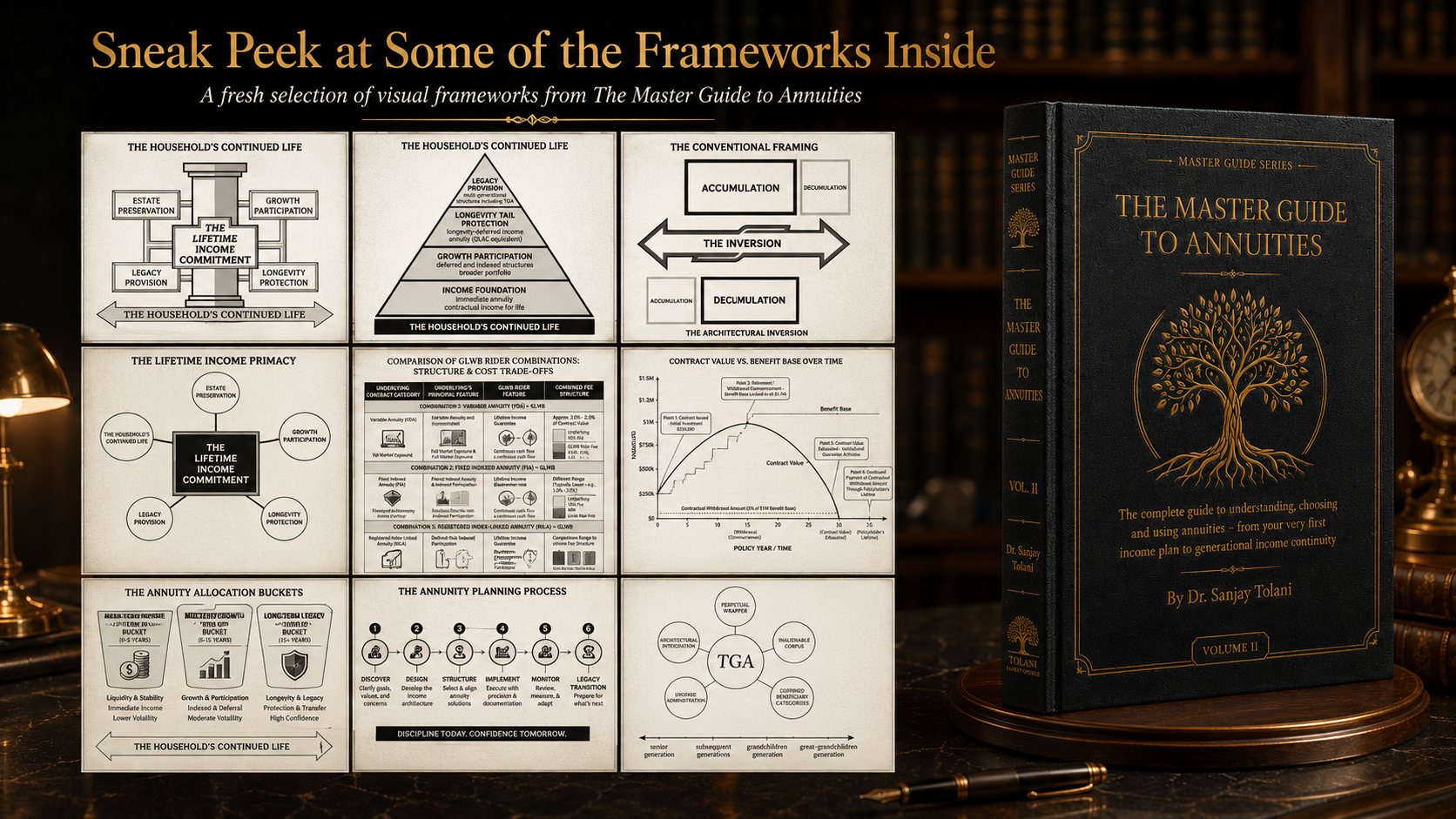
These are actual framework images prepared for the book and website, converted into a gallery format for visitors who want to feel the depth before they read.
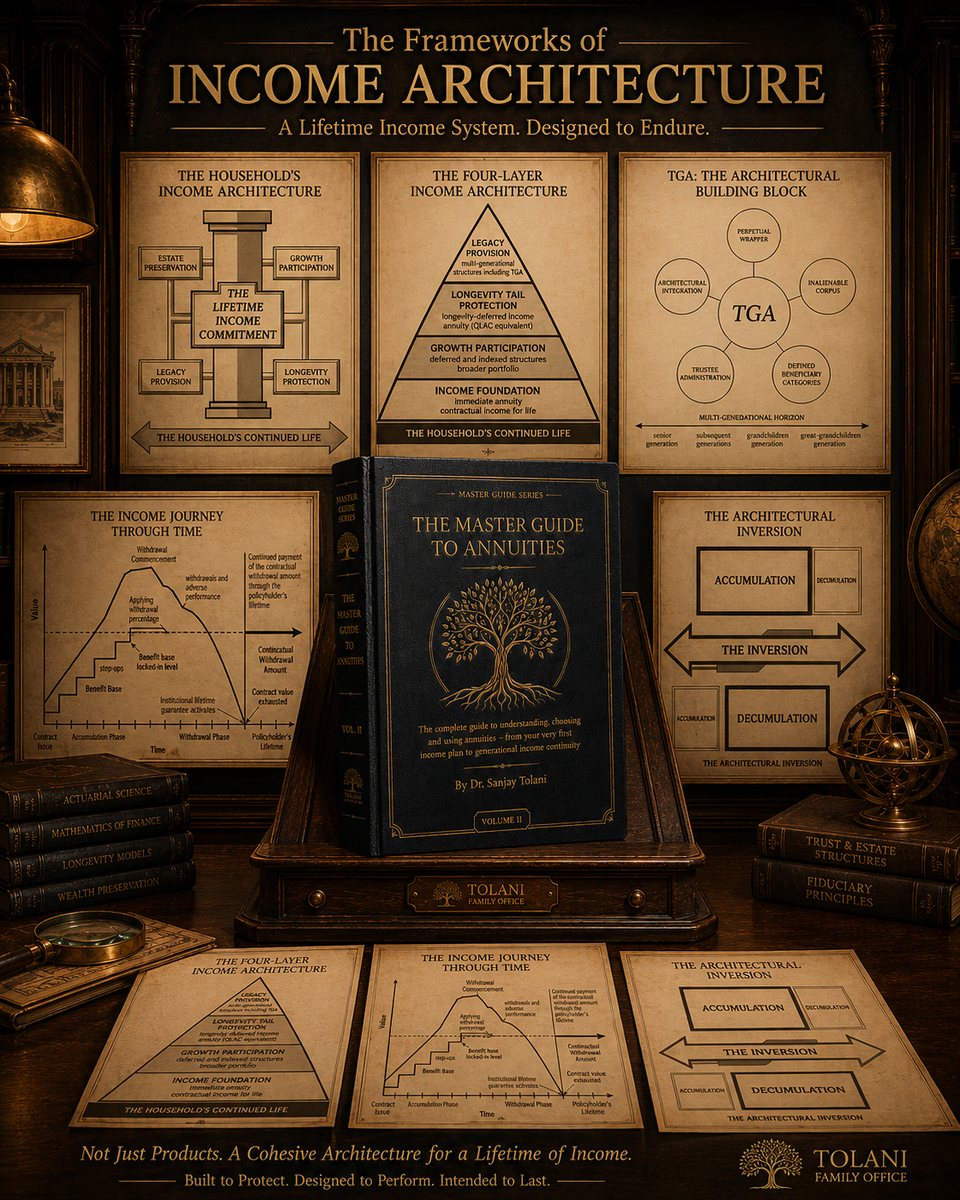
Income Architecture framework poster with The Master Guide to Annuities book
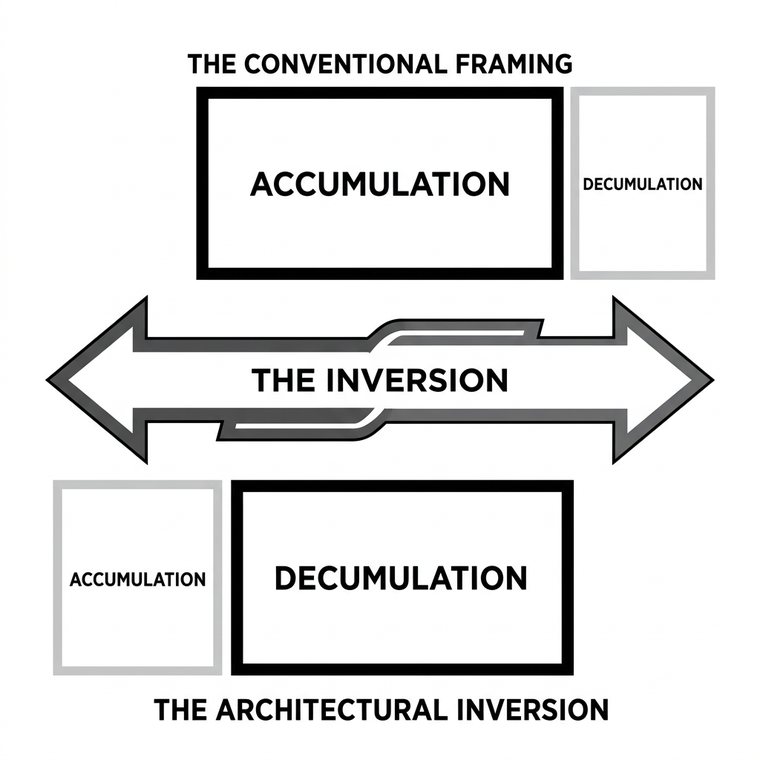
The Architectural Inversion framework image from The Master Guide to Annuities
The Architectural Inversion
The Four Layer Income Architecture framework image from The Master Guide to Annuities
The Four Layer Income Architecture
The Lifetime Income Primacy framework image from The Master Guide to Annuities
The Lifetime Income Primacy
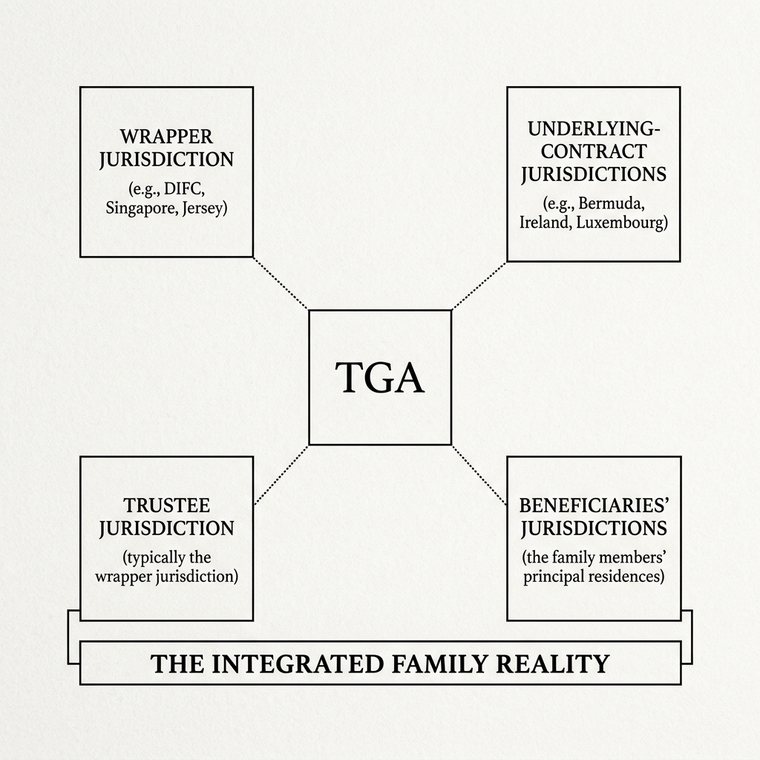
The TGA Multi Generational Structure framework image from The Master Guide to Annuities
The TGA Multi Generational Structure
The Income Journey Through Time framework image from The Master Guide to Annuities
The Income Journey Through Time
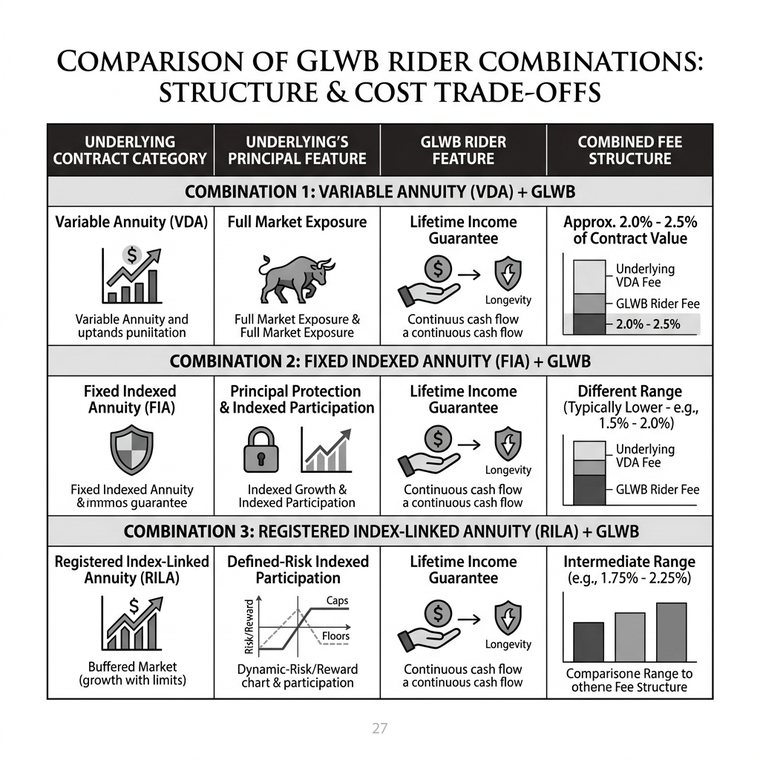
GLWB Rider Combinations framework image from The Master Guide to Annuities
GLWB Rider Combinations
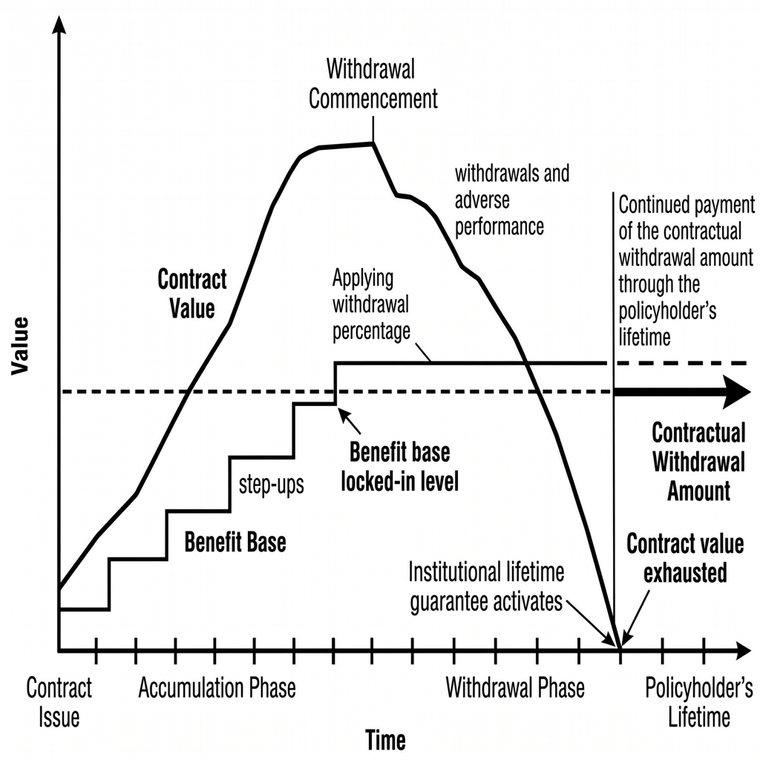
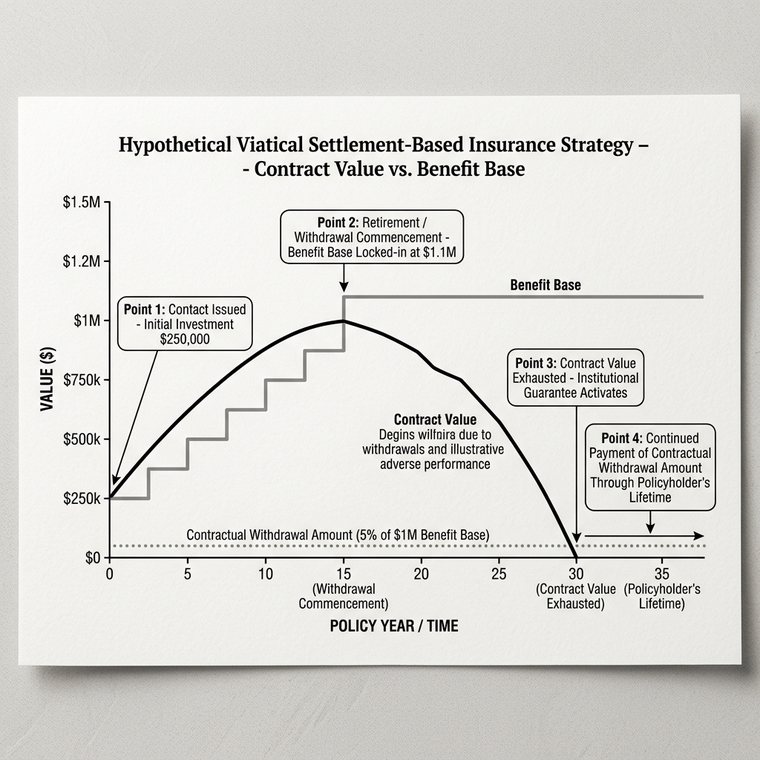
Contract Value vs Benefit Base framework image from The Master Guide to Annuities
Contract Value vs Benefit Base
Annuity Planning Process framework image from The Master Guide to Annuities
Annuity Planning Process
Household Income Architecture framework image from The Master Guide to Annuities
Household Income Architecture
Mortality Credit Pool framework image from The Master Guide to Annuities
Mortality Credit Pool
Portfolio and Income Balance framework image from The Master Guide to Annuities
Portfolio and Income Balance
The Four Sources of Income Risk framework image from The Master Guide to Annuities
The Four Sources of Income Risk
Product Families Map framework image from The Master Guide to Annuities
Product Families Map
How to Select Carriers framework image from The Master Guide to Annuities
How to Select Carriers
Hybrid Fixed Summary framework image from The Master Guide to Annuities
Hybrid Fixed Summary
Configuration Framework framework image from The Master Guide to Annuities
Configuration Framework
Retirement Income Curve framework image from The Master Guide to Annuities
Retirement Income Curve
Legacy Continuity Model framework image from The Master Guide to Annuities
Legacy Continuity Model
The core idea

Retirement is not an age. It is a lifestyle.

Hybrid Retirement is the lifestyle of someone who can stop, but chooses to keep going. Consulting, mentoring, travelling, writing, advising, building, pausing, returning. The obligation to earn no longer defines the structure of life.
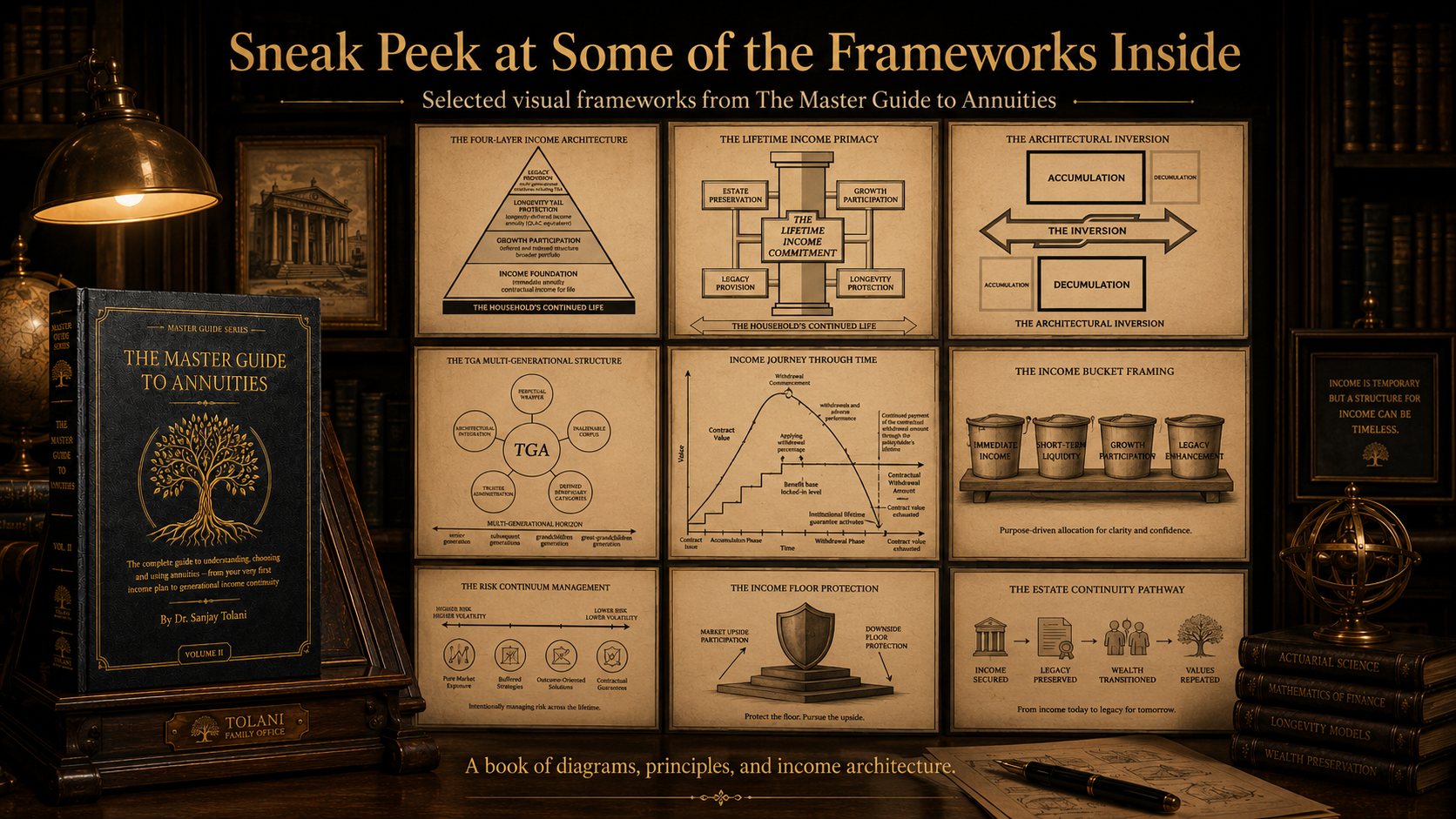
  • The income foundation covers the load bearing obligations
  • The growth layer keeps the architecture alive
  • The longevity layer protects the long tail of life
  • The legacy layer gives direction to what comes next
Sneak peek at selected income architecture frameworks
102 Theories

The full visual theory library.

Filter by conceptual section or search by theory name. All 102 uploaded theory images are included below.

Theory 001The Architectural Reframing

Stops treating the annuity as one retirement product among many. Starts treating it as the foundation of the household's income architecture. The reframing the whole book begins with.

Theory 002The Architectural Primitive

The annuity is the building block. Not a building block. The building block. Other instruments wrap around it.

Theory 003The Income-First Architectural Commitment

The household builds the income first, then arranges everything else around it. The portfolio does not come before the income. The income comes before the portfolio.

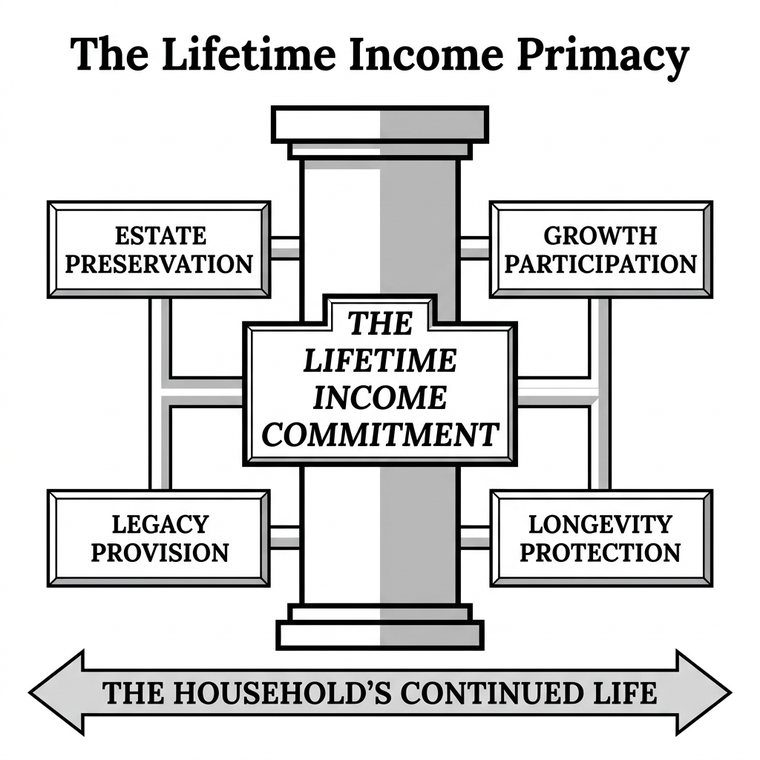
Theory 004The Lifetime Income Primacy

Your continued income is the most important promise your money has to make. Every other obligation comes after this one.

Theory 005The Architectural Inversion

The conventional model treats accumulation as the goal and decumulation as the problem. The architectural view inverts this. The income is the goal. The accumulation is the means.

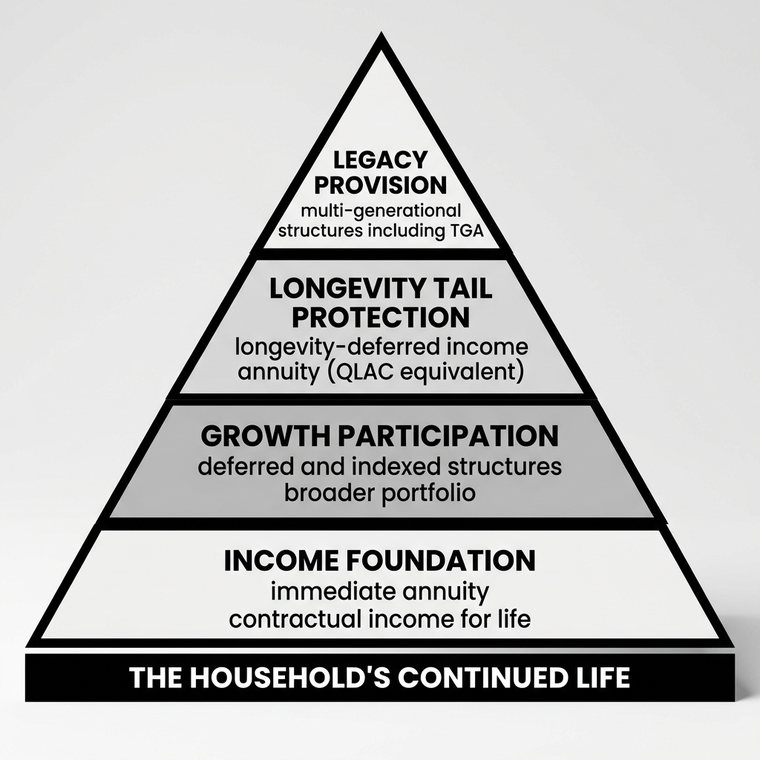
Theory 006The Four-Layer Integrated Lifetime Income Architecture

Four layers stacked together: the income foundation, the growth participation, the longevity tail protection, and the legacy provision. The full picture of how an architecture is built at the household level.

Theory 007The Income Foundation Layer

The first layer. The contractual income that covers the household's load-bearing obligations. Usually built from immediate or deferred income annuities.

Theory 008The Growth Participation Layer

The second layer. The portion of the architecture that participates in market growth, sitting above the income foundation. Where the portfolio earns its keep.

Theory 009The Longevity Tail Protection Layer

The third layer. The protection against the risk of living substantially longer than expected. Deferred income annuities and longevity insurance live here.

Theory 010The Legacy Provision Layer

The fourth layer. The portion of the architecture that is intentionally directed to the next generation, by design rather than by leftover.

Theory 011The Architecture vs. Product-Selection Distinction

Two different conversations. Architecture is about what the structure does. Product selection is about which specific contract gets used. The architecture comes first. The selection serves it.

Theory 012The Income Architecture Synthesis

The final integration. All four layers, calibrated to one household, in one written design that the household can read and the practitioner can implement.

Theory 013The Two-Thousand-Year Continuity

The structure of providing lifetime income to a defined beneficiary is not new. It is two thousand years old. Roman annua, medieval church annuities, modern carrier products. The same pattern, different institutional.

Theory 014The Annua Origin

The Roman state pension paid yearly. The word 'annuity' comes from here. The need it served, the income that arrived on schedule, has not changed.

Theory 015The Islamic Waqf Pattern

The Islamic charitable endowment that has operated continuously for over a thousand years in some cases. The earliest and longest-running example of the multi-generational income wrapper.

Theory 016The Hindu Kuladevata Estate

The family deity estate in Hindu tradition, holding assets in perpetuity for the family across generations. The Indian civilisation's version of the perpetual family wrapper.

Theory 017The Tontine Origin

The seventeenth-century arrangement where members pooled funds and the survivors split the income. The crude ancestor of modern mortality pooling.

Theory 018The Mortality Credit Discovery

The recognition that pooling longevity risk produces income that no individual instrument can match. The mathematical heart of why annuities work.

Theory 019The Modern Carrier Emergence

The nineteenth and twentieth century evolution of regulated insurance carriers as the institutional providers of contractual income. The shift from private arrangement to regulated product.

Theory 020The Cross-Civilisational Convergence

Different civilisations independently developed similar income-arrangement structures. The pattern is human, not cultural.

Theory 021The Regulatory Evolution

The progression from unregulated annuity arrangements to the contemporary regulated insurance market. The conditions under which the modern annuity became reliable.

Theory 022The Lineage Trust Pattern

The European multi-generational trust structure, the institutional cousin of the waqf and the kuladevata. Three civilisations, one pattern.

Theory 023The Substantial Reframing

Most readers approach this book thinking the annuity is a retirement product. The book asks them to start somewhere else: with the question of what kind of promise they need their money to make.

Theory 024The Income Buyer Framing

One of the two reader types this book speaks to. The person buying income for their own continued life.

Theory 025The Generational Steward Framing

The second reader type. The family member designing structures that will outlast them. Often sitting at the same table as the Income Buyer.

Theory 026The Hybrid Retirement

Doc's original framing. Retirement is not an age. It is a lifestyle. The lifestyle of someone who can stop, but chooses to keep going, because the income is taken care of.

Theory 027The Beautiful Product

Doc's defence of the annuity. The instrument has been badly sold for decades, but the underlying promise, lifetime income, is beautiful. The industry that has explained it badly is not the product.

Theory 028The Restoration Framework

What we do at the Tolani Family Office when a family arrives with a structure that has drifted off course. Substantive realignment, not reconstruction. Keep what works, replace what no longer fits, add what is missing.

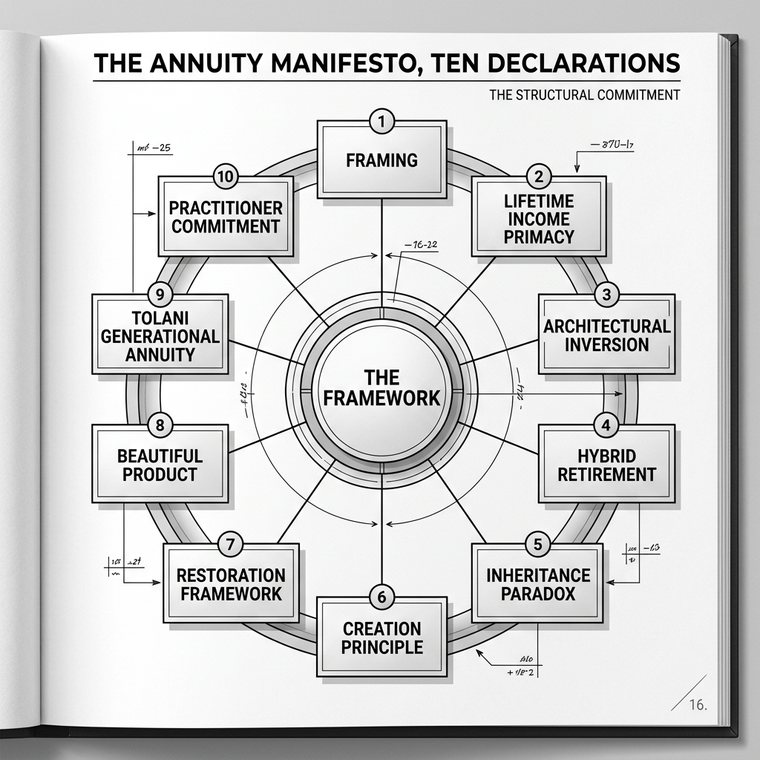
Theory 029The Annuity Manifesto

The closing declaration of the principal volume. Ten plain-language declarations of what the book believes. The spine.

Theory 030The Hybrid Retirement Lifestyle Definition

The specific lifestyle that Hybrid Retirement names. Optional engagement, contractually delivered income, the freedom to choose every day what to do.

Theory 031The Income Foundation Principle

The income foundation is unbreakable by design. Everything else in the architecture gets to be more interesting because this part is more boring.

Theory 032The Inheritance Paradox

The default of equal division among heirs is structurally wrong. The heirs are not equal. Treating them identically is not fairness. It is refusing to engage with the differences.

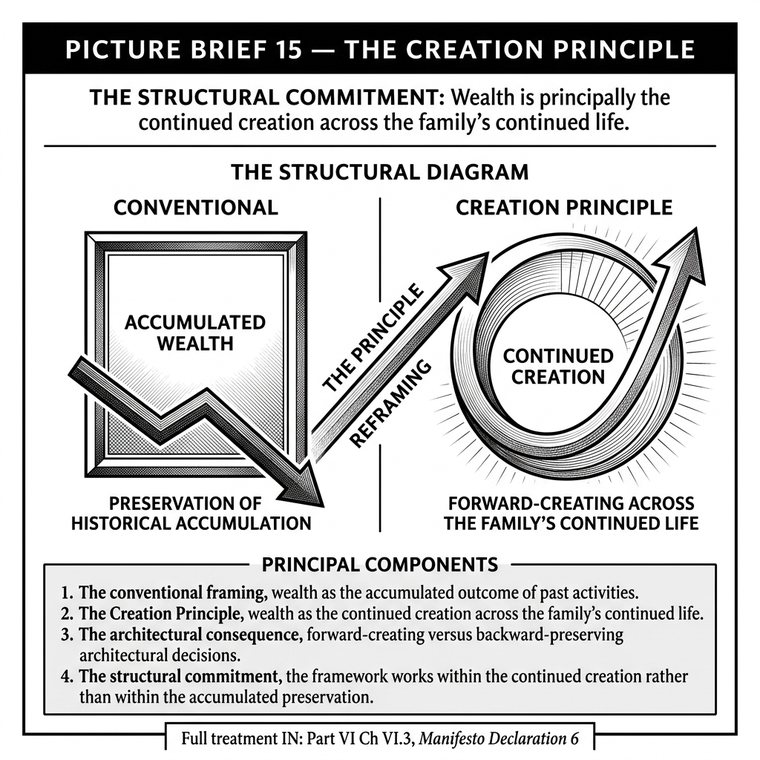
Theory 033The Creation Principle

Wealth is not what you have. Wealth is what you make. The family that lasts is the family that keeps creating.

Theory 034The Stewardship-versus-Benefit Distinction

The distinction at the heart of the Inheritance Paradox. The heir who can steward receives what requires stewardship. The heir who needs income receives income. Each heir is taken care of in the form that fits.

Theory 035The Architecture-Lifestyle Bridge

The architecture is not the goal. The lifestyle the architecture buys is the goal. The bridge between the structure and the life it makes possible.

Theory 036The Promise as Product

The annuity, in plain terms, is a promise. The contract is the proof. The premium is the price. Everything else is mechanics.

Theory 037The Income Engine Concept

The architectural picture of what the annuity actually is at the household level. An engine that produces income without depending on someone to manage it.

Theory 038The Decumulation-Accumulation Reversal

The same idea as the Architectural Inversion, named for emphasis. The decumulation is the goal. The accumulation is in service of it.

Theory 039The Operational Reality vs. Theoretical Optimum

The book engages with how households actually live, not how textbook optimisation models say they should. The operational reality is the working environment.

Theory 040The Architectural vs. Product-Selection Framing

Two different conversations, often confused. Architecture is the design. Product selection is the implementation. The architecture comes first.

Theory 041The Immediate Income Annuity

The simplest annuity form. You pay a premium, income starts immediately, the income continues for life. The cleanest expression of the lifetime income promise.

Theory 042The Deferred Income Annuity

You pay a premium today, the income starts at a future date. Useful for buying longevity tail protection or scheduling income to begin at a specific life stage.

Theory 043The Variable Annuity

Income with market-linked participation. The income can grow with the markets. It can also fall, depending on the structure.

Theory 044The Fixed Indexed Annuity

Income linked to an index with downside protection. A middle ground between fixed and variable. Frequently misunderstood, sometimes badly explained.

Theory 045The Multi-Year Guaranteed Annuity

Fixed-rate accumulation for a defined term. The annuity that behaves most like a CD or fixed-term deposit.

Theory 046The Living Benefit Rider

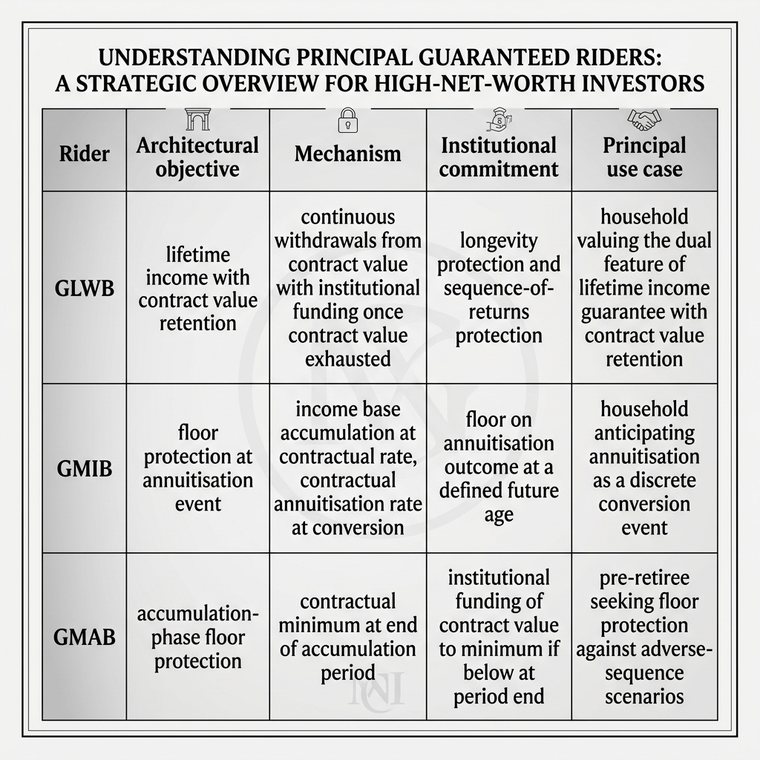
A rider that adds living benefits to an annuity. The structural mechanism by which variable and indexed annuities deliver income guarantees.

Theory 047The Death Benefit Rider

A rider that adds death benefit features to an annuity. The mechanism by which the annuity participates in the legacy provision layer.

Theory 048The Long-Term Care Rider

A rider that accelerates annuity income or adds long-term-care benefits. Increasingly common in contemporary product design.

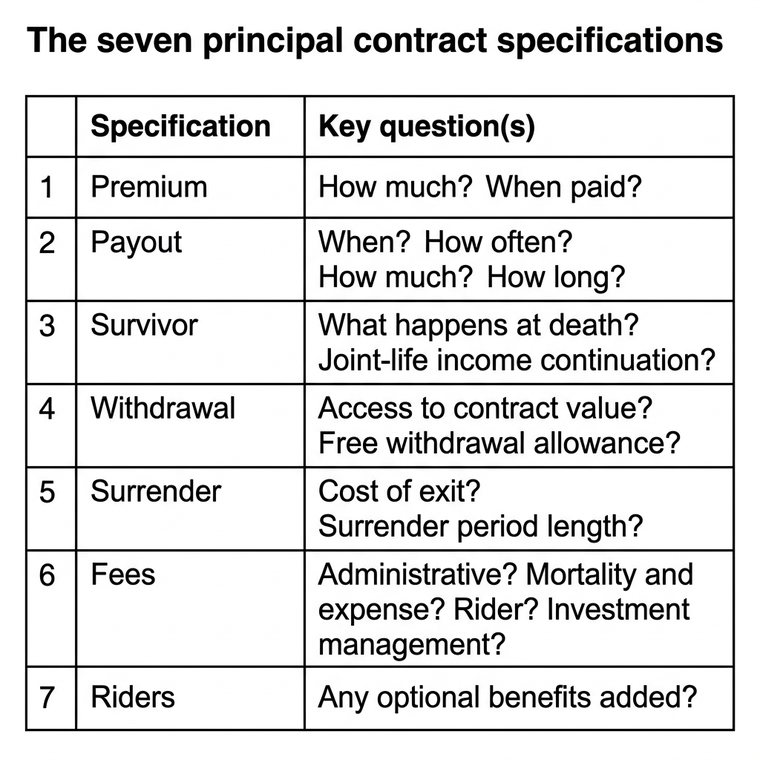
Theory 049The Surrender Charge Structure

The contractual penalty for early withdrawal of annuity funds. The mechanism that allows the carrier to invest long-term against your premium.

Theory 050The Free Withdrawal Provision

The annual amount you can withdraw without surrender charges. Usually around ten per cent of contract value.

Theory 051The Annuitisation Conversion

The contractual conversion of accumulated value into lifetime income. The moment the annuity becomes an income engine.

Theory 052The Joint Life Option

Lifetime income calibrated to two lives instead of one. The income continues until the second person passes.

Theory 053The Period Certain Option

Income guaranteed for a defined period, even if the annuitant dies before the period ends. A way of protecting heirs against early annuitant death.

Theory 054The Refund Option

Income with a refund provision if the annuitant dies before the premium is recovered. Reduces the income but eases the psychological barrier to annuitisation.

Theory 055The Carrier Credit Quality Hierarchy

The framework by which annuity carriers are evaluated for financial strength. Rating agencies, capital adequacy, regulatory environment, operational track record.

Theory 056The Tolani Method

The methodology for designing and implementing income architectures, developed at the Tolani Family Office and refined across forty-five countries. Eight stages, four dimensions of stewardship.

Theory 057The Configuration Analysis

The first methodological stage. The disciplined examination of the household's or family's actual situation. Who is in it, what is held, what is needed, what is likely to be needed.

Theory 058The Architectural Design Stage

The second stage. With the configuration in hand, the architecture is designed. What layers are needed, in what proportions, at what timing.

Theory 059The Institutional Selection Stage

The third stage. The selection of carriers, jurisdictions, and counterparties. Rigorous, multi-candidate, reference-checked.

Theory 060The Foundation Document Drafting

The fourth stage. For multi-generational structures, the drafting of the Foundation Document that captures the founder's intent in their own voice.

Theory 061The Legal Establishment Stage

The fifth stage. Counsel drafts the legal instruments, signatures are obtained, the legal entity comes into existence.

Theory 062The Contract Placement Stage

The sixth stage. The underlying annuity contracts are issued by the selected carriers. The income flows are initiated.

Theory 063The Operational Commencement Stage

The seventh stage. The architecture begins operating in practice. The trustee assumes its role. The first income arrives.

Theory 064The Stewardship Transition Stage

The eighth stage. The transition from build mode to multi-decade stewardship mode. The hand-off of responsibilities for the long run.

Theory 065The Periodic Review Dimension

The first stewardship dimension. Annual or defined-cadence review of the operational picture. Income flows, carrier performance, regulatory environment.

Theory 066The Life Event Engagement Dimension

The second stewardship dimension. The engagement with the architecture whenever a principal life event occurs in the family. Births, marriages, deaths, relocations.

Theory 067The Practitioner Succession Dimension

The fourth stewardship dimension. The planning for the practitioner who will inherit the multi-generational engagement when the original practitioner steps back.

Theory 068The Household Configuration

The most common starting point. A household, one or two people, planning their own income foundation. The pattern most readers fit.

Theory 069The Substantial Wealth Configuration

A household with substantial wealth, several million in investable assets, considering how the income foundation fits the broader picture.

Theory 070The Multi-Generational Family Configuration

The family thinking about descendants. The configuration the TGA was designed for.

Theory 071The Multi-Jurisdictional Configuration

The family living in multiple countries. The configuration that single-jurisdiction structures cannot support.

Theory 072The Business Owner Configuration

The principal of an operating business, designing income that does not depend on the business continuing or selling well.

Theory 073The Professional Practice Configuration

The professional in a practice that does not have a built-in succession value. The doctor, the lawyer, the consultant.

Theory 074The Senior Generation Configuration

The person already in or near retirement, working with what is in hand, not what they wish they had built differently.

Theory 075The Successor Configuration

The person who has inherited a structure they did not design, working out what to keep, what to restore, what to retire.

Theory 076The Late Starter Configuration

The reader who is approaching the income question later than they would have liked. The architecture still works. The numbers are different.

Theory 077The Early Architect Configuration

The reader designing the income architecture decades before the income will be needed. The optionality of long lead time.

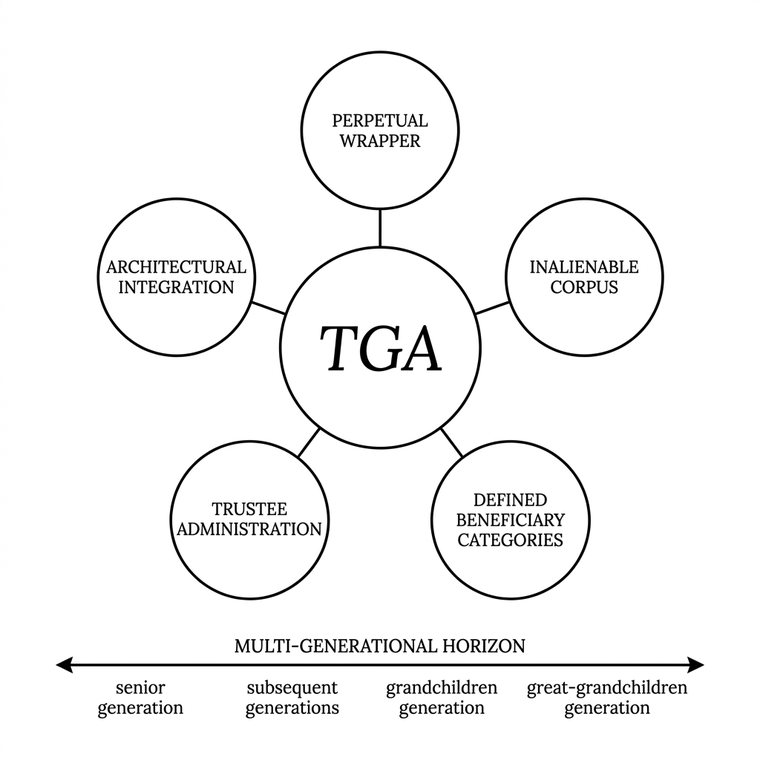
Theory 078The Tolani Generational Annuity

Doc's principal multi-generational contribution. A perpetual wrapper holding an inalienable corpus, paying income to defined beneficiary categories, administered by an institutional trustee, integrated across.

Theory 079The Perpetual Wrapper Feature

The first of the TGA's five defining features. The wrapper has no termination date. The structure exists for as long as the underlying jurisdiction permits.

Theory 080The Inalienable Corpus Feature

The second feature. The corpus cannot be drawn down, pledged, or distributed except as the Foundation Document permits. The wealth that holds the wealth.

Theory 081The Beneficiary Category Feature

The third feature. Beneficiaries are categories, not individuals. The senior generation, the descendants, the educational allowance recipients. Categories survive the individuals.

Theory 082The Institutional Trustee Feature

The fourth feature. The trustee is an institution, not a family member. The trustee outlasts the founder and every individual member of the family.

Theory 083The Multi-Jurisdictional Integration Feature

The fifth feature. The structure operates across the multiple jurisdictions where the family actually lives, holds assets, and conducts business.

Theory 084The Foundation Document

The constitution of the TGA. The founder's statement of what the structure is for, written in plain language, intended to be read by successor generations long after the founder is gone.

Theory 085The Multi-Generational Stewardship

The ongoing engagement required after the TGA is established. Four dimensions: periodic review, life event engagement, family governance integration, practitioner succession.

Theory 086The Sharia-Compliant Configuration

The TGA or income architecture adapted for Sharia compliance. Avoidance of riba, structural use of takaful, integration with the waqf tradition.

Theory 087The Family Office Integration

The income architecture inside a family office structure. How the TGA, the operating businesses, the investment portfolios, and the philanthropic vehicles fit together.

Theory 088The Corporate-Owned Annuity

The annuity owned by an operating business, often used for key-person income protection or executive deferred compensation.

Theory 089The Charitable Remainder Configuration

The income structure paired with charitable remainder vehicles. Income for the donor's life, residual to the named charity.

Theory 090The Cross-Border Family Configuration

The configuration for families with members on different continents, in different tax systems, with different regulatory environments.

Theory 091The Single Woman Configuration

The income architecture calibrated for a single woman's specific situation. Longer expected life, frequently lower retirement assets, different psychological relationship with longevity.

Theory 092The Recent Widowhood Configuration

The income architecture for the recently widowed person assuming responsibility for the household's continued financial life.

Theory 093The Closely Held Business Configuration

The income architecture integrated with a closely held operating business. Income for the principal that is structurally separate from the business itself.

Theory 094The Simple Version Format

The opening section of most chapters. The chapter's most important point in five hundred words or less, in language a fifteen-year-old can follow.

Theory 095The Playbook Format

The closing section of most chapters. Three to five questions to sit with, ending in one specific action to take within thirty days.

Theory 096The Two Readers at the Same Table Framing

The Income Buyer and the Generational Steward reading the same book from different angles. Often sitting at the same family table.

Theory 097The Four Promises

The book's four commitments to the reader. Understand annuities completely. Never be sold one badly. Understand them as a wealth instrument. Understand what kind of lifestyle they buy.

Theory 098The Action Within Thirty Days

The single specific action at the close of each Playbook. The mechanism by which reading becomes planning.

Theory 099The Cover-to-Cover vs. Reference Reading

Two legitimate ways to read this book. The cover-to-cover reader gets the full architecture. The reference reader uses the Theory Index and the Master Table of Contents.

Theory 100The Mathematics in Plain Language Commitment

The book's commitment to teach mortality credits, longevity mathematics, and the income engineering of annuities in language anyone with a pen and a willingness to think can follow.

Theory 101The No-Brochure Commitment

The book's editorial line. No carrier endorsements. No product recommendations. No marketing language. The Carrier Reference is a list, not a recommendation.

Theory 102The Practitioner Standards

The standards a practitioner working with a family on this material should hold. Show up at the depth the framework requires. Return. Say no when right. Tell the truth in family language.

Dr. Sanjay Tolani author portrait
About the Author

Dr. Sanjay Tolani

Dr. Sanjay Tolani is the founder of the Tolani Family Office and the originator of the Tolani Flow, a registered framework used by family offices worldwide. He holds a Ph.D in Finance, FLMI, and CFP (Canada), and has authored 13 books on insurance, wealth structuring, and intergenerational planning.

Over two decades of practice across Dubai, Singapore, Johannesburg, London, and 53 countries, he has mentored more than 200,000 financial professionals. The Tolani Family Office traces its origins to the 1870s, six generations of decisions, losses, rebuilding, and refinement across five continents.

“This book was written because the conversation about annuities deserves to be had with full information, not the version the industry is commercially motivated to give.”

Another sneak peek of selected annuity frameworks from the book
Built for different readers

Income buyers and generational stewards.

The book is practical enough for a buyer evaluating an annuity proposal and deep enough for a family principal or advisor thinking about multi decade, multi jurisdictional income design.

  • For households approaching the retirement transition
  • For business owners designing their own income floor
  • For families thinking beyond one generation
  • For advisors who want a serious reference library
The Master Guide to Annuities premium book showcase in a study setting
The Master Guide Series

One Complete Library of Annuity Thinking.

FamiliesBusiness OwnersFinancial AdvisorsHigh Net Worth ClientsFamily Offices

The book closes with a simple invitation. If you want a more serious, visual, and complete conversation about annuities, join the waitlist and be first to know when copies become available.

“This is a field guide to income, continuity, and financial confidence.”
By Dr. Sanjay Tolani · Volume II · Master Guide Series
The Master Guide to Life Insurance companion book in a premium study scene
Also in the Master Guide Series

The Master Guide to Life Insurance

If this annuities volume is about income architecture, the life insurance volume is its essential companion on protection, wealth transfer, and legacy strategy.

Together, the two books give readers a broader map of how families, advisors, and business owners can think about continuity across life, retirement, and generations.

101 original life insurance theoriesProtection and wealth transfer frameworksDesigned for families and advisorsCompanion volume in the same series
Visit the Life Insurance Book